
Okay, so check this out—I’ve been carrying cold wallets for years. Whoa! My instinct said that something about tiny USB sticks and paper backups just felt fragile. Initially I thought hardware keys were the obvious endgame, but then realized smart cards bring a different, simpler promise to the table. On the one hand, they’re compact and tactile; though actually, wait—let me rephrase that: they feel like something you’d trust with your credit card and your keys at the same time, which is a weirdly comforting combo.
Seriously? Yes. Medium-length sentences help explain this better to regular people. A smart card wallet fits in your wallet like any other card. It’s discrete and won’t scream “crypto owner!” And my first impression was, hmm… why didn’t we do this sooner?
Here’s the thing. Smart cards lean on familiar tech: EMV-style contact or NFC, secure elements, PIN protection. They borrow decades of payment-card engineering, which matters because security isn’t just math—it’s about user behavior and ergonomics. My gut feeling was that combining proven physical form factors with crypto primitives would reduce user error, and that actually proves true in practice more often than you’d expect.
I’m biased. I prefer things that “just work” in daily life. Wow! For many users who want a single, elegant object to hold keys, smart cards lower the mental overhead. They remove the circus of seed phrases strewn across screenshots and sticky notes. Honestly, that part bugs me—a lot—because too many solutions ask people to be security engineers overnight.
On one side smart cards are simple. On another they have real crypto chops. Hmm… that contrast kept me curious. Initially I thought they’d be only convenient, but then I tested models that actually performed secure signing inside the chip, never exposing private keys. That combination—user-friendly form plus strong isolation—creates a compelling security model.
Let me get practical. Whoa! You tap, authenticate, and sign. It feels as natural as tapping a contactless card at a cafe. But the engineering is non-trivial: secure elements isolate keys inside hardware, and the card performs cryptographic operations without leaking secrets. This is why a physical, tamper-resistant object can beat software wallets on a phone in many threat models.
There’s a downside though. Hmm… smart cards can be annoyingly limited in UI. Seriously? Yes. No big screens, tiny interfaces, so UX has to be thoughtfully designed around that constraint. Initially I thought that limitation would be fatal, but then I realized that pairing with a companion app or using standardized command protocols bridges the gap pretty well.
So what do real users care about? Short answer: reliability and convenience. Whoa! Reliability beats novelty every time. People will tolerate a little inconvenience if they trust the system won’t lose their funds. That trust is built with clear recovery options, durable physical design, and predictable behavior under stress—like airplane mode, low battery, or travel.
Travel matters a lot to many of us in the US. I fly a decent bit, and I’ve learned the hard way that seed phrases and laptops are inconvenient at TSA. Hmm… a thin smart card tucked into your passport holder or wallet changes the dynamic. It’s not a panacea, but it reduces friction and makes secure custody more approachable for non-nerds.
Let me be clear about threat models. Whoa! Attackers vary from lonely script kiddies to targeted nation-state actors. Short. For casual theft, a locked card with PIN is a major hurdle. For targeted physical attacks, no single solution is perfect. On the other hand, splitting secrets across devices or using multisig with cards in different places raises the bar substantially, though it complicates recovery.
Here’s a quick anecdote. I once lost a tiny hardware stick in a cab. Really? Yes—total rookie move. My backup was messy and recovery took days. That experience shifted my priorities toward form factors that I actually keep in my wallet. Somethin’ about having your crypto in a flat card that slides into your phone case feels less likely to vanish than a dongle thrown into a bag.
Security doesn’t only mean keeping coins safe. It means making recovery understandable. Whoa! Recovery flows that require jargon kill adoption. Medium-length sentences are where tutorials and UX shine. A good smart-card wallet provides step-by-step recovery, possibly via deterministic backups or social recovery patterns with clear instructions. Developers must design for people who panic under pressure—yes, that’s a thing.
Okay, so what about interoperability? Hmm… it’s crucial. Standards like ISO7816 and NDEF mean cards can talk to many devices. Sometimes you want the card to act like a “cold signer” for a laptop wallet, other times you need phone NFC for on-the-go payments. Initially I thought vendors would lock everything down, but actually many embrace open protocols to broaden compatibility.
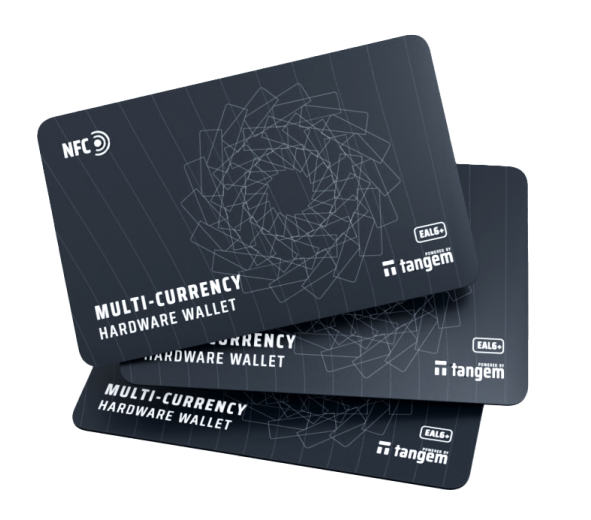
One concrete recommendation—if you’re curious, check this out. Wow! I ended up using a smart-card product called tangem wallet in a pilot group and it surprised me. The setup was straightforward, the card survived pockets and keys, and integration with common wallets was decent. I’m not saying it’s flawless, but it’s a useful reference point for what a real-world smart-card experience can look like.
There’s engineering nuance here. Long thought: smart cards vary by secure element, firmware update model, and recovery philosophy, and those choices drive trade-offs between upgradeability and absolute isolation. If a vendor allows firmware updates, you get flexibility but you need to trust the update path; if not, you potentially forfeit patchability. On one hand, immutability increases auditability; on the other hand, it might lock in vulnerabilities forever, which is scary.
Users also worry about longevity. Whoa! Plastics and chips age. Medium sentence: A card that delaminates or whose chip corrodes is a real risk. Manufacturers must stress-test for humidity, bending, and repeated use. I’m not 100% sure about long-term failure rates, but anecdotal evidence shows many cards last years under normal use. Still—carry a tested backup plan.
Price matters. Hmm… A smart-card wallet shouldn’t cost an arm and a leg. Short sentence. Affordable, well-designed cards can drive mass adoption. Yet some premium models add tamper-evident features and biometric overlays that raise costs. On one hand, spending extra for enterprise-grade resilience makes sense; though actually for everyday users, simplicity and low cost often win.
Privacy is another angle. Whoa! Cards can be privacy-friendly by design. Medium explanation: they can do on-card signing so external services never see your private key. But beware metadata leaks—how and when you use the card reveals behavior patterns unless you take steps like coin-joining or using privacy-preserving networks. Something to think about, and honestly, that part bugs me because many users don’t consider metadata risks.
Implementation details that matter: PIN retry limits, wipe-after-failed-attempts, tamper evidence, and secure key storage. Whoa! These aren’t sexy, but they are critical. Short sentence. The engineering trade-offs are subtle—excessive lockouts lead to bricked assets; lax retry policies let thieves brute-force. Good vendors tune these defaults and provide sensible recovery mechanisms.
Regulatory reality intrudes sometimes. Hmm… US regulations on devices and export controls can shape firmware and hardware choices. Longer thought: compliance and real-world legal exposure can make vendors restrict features, which is annoying for privacy-centric users, though it sometimes protects the broader ecosystem. I worry about overreach, but I also recognize the legal complexities manufacturers face when shipping globally.
Design for humans, not for hypothetical ideal users. Whoa! Most users are busy. Medium sentence: they won’t memorize long flowcharts under stress. Provide a clean flow: pair the card, set a PIN, make a recovery plan, and test it once. Repeat, repeat—testing is underrated. My experience shows teams that force early testing get far fewer support tickets later.
Here’s an oddball thought. Whoa! A smart card that looks exactly like your driver’s license could be a game changer for adoption. Short. People already protect IDs, so what if crypto identity and keys lived in a similar format? It’d be less weird at family gatherings when someone asks about your “weird card” and you just say it’s for payments. Small UX wins scale.
I’m not painting a flawless picture. Hmm… There are still vectors like supply-chain tampering and cloned cards. Longer sentence: to mitigate those threats, vendors should provide attestation, manufacturing transparency, and clear provenance tools so buyers can validate hardware authenticity before trusting it with real funds. Transparency builds trust, though too much complexity repels ordinary users.
Final emotional shift: I’m cautiously optimistic. Whoa! Smart-card wallets are far from perfect, but they lower key risks in ways that feel real and practical. I’m biased toward solutions that meet people where they are, and smart cards do exactly that—bringing crypto custody into a form factor people already understand. There’s more work to do, but for many users, this is a huge step forward.
Practical Tips and Quick Checklist
Start small. Whoa! Buy a reputable card, keep a tested backup, and practice recovery once. Medium: Use PINs and consider splitting critical keys across multiple cards or using a multisig setup. Long thought: treat the smart card as part of a broader security habit—regular checks, firmware updates if supported, and a recovery notebook stored separately will save headaches later, trust me.
FAQ
Are smart cards as secure as hardware dongles?
Short answer: often yes for many threat models. Whoa! The card’s secure element can isolate keys as effectively as a dongle. Medium: The main differences are UI and form factor, not the core cryptography. Long: if you need a screen to confirm complex transactions locally, a dongle or a multi-device flow might be preferable, but for simple signing and durable portability, smart cards are robust and user-friendly.
What happens if I lose my smart card?
Short. You need a recovery plan. Whoa! If the card is PIN-locked, a thief still faces barriers. Medium: Recovery depends on your chosen backup method—seed phrase, secondary card, or multisig partners. Long: pick a recovery approach that matches your risk tolerance and test it—don’t assume your first attempt will be smooth, because support calls at midnight are miserable.
Which features should I prioritize?
Prioritize proven secure elements, a clear recovery flow, reputable vendor transparency, and physical durability. Whoa! Cheap plastic that flakes is a false economy. Medium: Look for community audits or third-party reviews. Long: usability matters too—if it’s secure but nobody in your family can understand it, adoption stalls and you’re back to sticky notes and insecure practices.